When fatigue, balance changes, or long wait times make standing difficult, a cane with a seat can offer a practical middle ground: support when walking and a place to rest when needed.
This roundup of walking canes with seats for cancer patients focuses on options that balance stability, portability, weight capacity, and everyday ease of use.
Best 10 Walking Canes with Seats for Cancer Patients Picks for 2026
Premium Lightweight Seat Cane
STEP2GOLD Ta-Da Chair Series 2 L

- Cane-to-chair design for fast resting.
- Lightweight aluminum weighs under 2.2 lbs.
- Supports up to 300 lbs with anti-slip feet.
Best For: People wanting a lightweight cane-seat combo for outings and rest breaks.
Adjustable Tripod Seat Cane
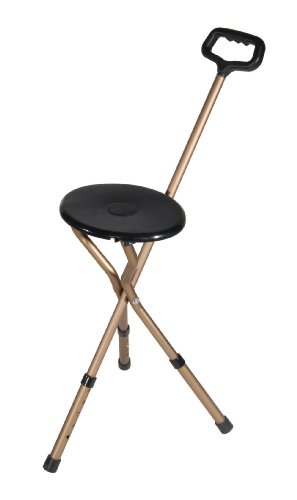
- Opens into a portable chair when needed.
- Adjustable cane height from 34 to 38 inches.
- Tripod design and limited lifetime warranty.
Best For: Users who want a straightforward, adjustable cane seat for short rests.
Compact Seat Cane for Travel
STEP2GOLD Ta-Da Chair Series 2 M
- Folds from cane to chair in seconds.
- Lightweight aluminum under 2.2 lbs.
- Reinforced build supports up to 300 lbs.
Best For: Mid-height users needing a portable cane seat for travel or appointments.
High-Capacity LED Seat Cane
Yayayo Hold 440 lbs Folding Cane
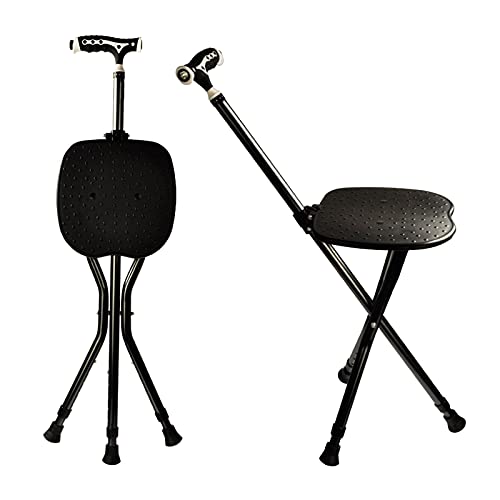
- Supports up to 440 lbs for higher capacity needs.
- Adjustable in 5 steps with a built-in LED light.
- Lightweight design at 1.98 lbs with non-slip feet.
Best For: Users needing a high-capacity cane seat with added nighttime visibility.
Most Stable Four-Leg Option
Four-Legged Cane with Seat for Adults

- Four-legged base for added seated stability
- Supports up to 400 lbs with aviation aluminum build
- Adjustable cane height from 35.63 to 38.39 inches
Best For: Adults who prioritize steadiness when resting, waiting, or traveling
Best Lightweight Travel Pick
STEP2GOLD Ta-Da Chair S2 PRO MAX

- Lightweight 2.5 lb aluminum design
- Quick push-open seat setup
- Supports up to 400 lb with added accessories
Best For: Taller users needing a portable cane-seat for travel and outdoor breaks
Most Comfortable Grip Choice
REHAND Foldable Walking Cane Chair

- Ergonomic handle helps reduce palm pressure
- Extra-large 10.4" x 9.3" seat
- All-terrain base with shock absorption
Best For: Users who want a more comfortable grip and a larger seat for frequent rests
Premium Trail-Ready Seat Cane
STEP2GOLD Ta-Da Chair Series 2 PRO

- Converts from walking stick to seat quickly
- Under 2.5 lbs with adjustable cane length
- Supports up to 300 lbs with anti-slip feet
Best For: Lightweight support and occasional rest on the go
LED Cane Seat for Daily Support
BigAlex Alloy Folding Cane with Seat

- Built-in LED light in the handle
- Supports up to 400 lbs on aluminum frame
- Adjusts from 33.1" to 36.1" as a cane
Best For: Users who want visibility plus a sturdy cane-seat combo
Premium Lightweight Seat Cane – STEP2GOLD Ta-Da Chair Series 2 L
If you’re comparing walking canes with seats for cancer patients, this STEP2GOLD option stands out for portability and quick rest stops. It converts from a walking stick into a chair, uses lightweight aircraft-grade aluminum, and offers anti-slip rubber feet for better stability during everyday outings or outdoor use.
Best For: Patients who want a lightweight seat cane for planned outings, walking support, and occasional rests.
Pros:
- Converts from cane to chair with a snap for quick breaks.
- Lightweight aluminum build weighs less than 2.2 lbs.
- Supports up to 300 lbs and uses oversized anti-slip rubber feet.
- Largest seat among similar products, which may improve sitting comfort.
Cons:
- Seat height and size need to be checked carefully before purchase.
- Requires proper sitting posture for safe use.
- Best suited to users who fit the listed height range for the L size.
Overall, this is a strong choice if you want a compact cane-and-seat combo with a focus on lighter carry and reinforced stability. Its comfort and capacity are appealing, but the sizing notes make it important to confirm fit first.
Adjustable Tripod Seat Cane – Drive Medical RTL10365-ADJ
For shoppers looking at walking canes with seats for cancer patients, this Drive Medical model offers a simple, practical sit-down option in a familiar cane format. It works as a support cane when closed and opens into a portable tripod seat, making it useful for short rests during appointments, lines, or light errands.
Best For: Users who want a straightforward, adjustable cane seat with a more traditional medical-aid feel.
Pros:
- Functions as both a cane and a foldable chair.
- Adjustable height ranges from 34 to 38 inches.
- Tripod design adds stability compared with a simple single-leg support.
- Limited lifetime warranty is included.
Cons:
- Weight capacity is 250 lbs, lower than some competing seat canes.
- Seat diameter is 9 inches, so it is a compact resting surface.
- At 3.1 lbs, it is heavier than some ultra-light options.
This is a solid no-frills seat cane if adjustability and ease of use matter more than a larger seat or higher capacity. Its tripod layout and established medical brand make it a dependable pick for light, occasional sitting support.
Compact Seat Cane for Travel – STEP2GOLD Ta-Da Chair Series 2 M
If you need walking canes with seats for cancer patients and want a lighter carry option, this STEP2GOLD medium size is built for easy portability and quick breaks. It folds from a walking stick into a chair, uses aircraft-grade aluminum, and includes anti-slip rubber feet for added stability during use.
Best For: Mid-height users who want a lightweight seat cane for travel, appointments, or outdoor pauses.
Pros:
- Quickly changes from cane to chair for resting.
- Lightweight at less than 2.2 lbs for easier carry.
- Supports up to 300 lbs and has reinforced structure.
- Anti-slip rubber feet help improve stability.
Cons:
- Best fit depends on matching the M size height range.
- Still requires careful seated positioning for safe use.
- Not as adjustable as models with a wider height range.
This medium version keeps the same core benefits as the larger STEP2GOLD model but in a size aimed at a different user range. It’s a good fit if you value a very light seat cane and can confirm the height specifications suit you.
High-Capacity LED Seat Cane – Yayayo Hold 440 lbs Folding Cane
Among walking canes with seats for cancer patients, this Yayayo Hold model is notable for its high weight capacity and built-in LED light. It folds into a supportive cane when closed, opens into a seat for rests, and uses non-slip rubber feet to help with stability on different surfaces.
Best For: Users who want a higher-capacity seat cane with adjustable height and extra visibility at night.
Pros:
- Supports up to 440 lbs, which is higher than many seat canes.
- Adjustable in 5 steps for a more customized fit.
- Built-in LED light can improve safety in low light.
- Lightweight at 1.98 lbs for easier carrying.
Cons:
- Sitting posture needs attention to avoid misunderstanding of the seat angle.
- Seat height range is more limited than some traditional canes with seats.
- More features may mean it feels less straightforward than simpler designs.
This model is a practical pick if capacity and visibility matter most, especially for users who may need a sturdier seat cane. The adjustable height and LED feature add utility, but the seating setup should be checked carefully before buying.
Most Stable Four-Leg Option – Four-Legged Cane with Seat for Adults
If you’re comparing walking canes with seats for cancer patients, this four-legged model is built for moments when you need both support and a place to rest. It folds for carrying, adjusts in height, and uses a wider four-leg base for added steadiness when seated or used as a cane.
Best For: Adults and seniors who want a more stable cane-seat option for waiting, shopping, traveling, or outdoor use.
Pros:
- Four-legged design is meant to feel steadier when used as a seat.
- Supports up to 400 lbs and uses aviation aluminum for durability.
- Adjustable cane height from 35.63 to 38.39 inches.
- Folds for easier transport and storage.
Cons:
- Seat height is fixed at 21.65 inches, so fit depends on user height.
- At 3.86 lbs, it is heavier than some lighter cane-seat options.
- Requires a specific open-and-lock process before use.
Overall, this is a practical pick if stability matters more than compactness. The four-leg structure and anti-slip feet make it better suited to steady resting breaks than ultra-light travel use.
Best Lightweight Travel Pick – STEP2GOLD Ta-Da Chair S2 PRO MAX
For shoppers comparing walking canes with seats for cancer patients, this STEP2GOLD model stands out for portability and fast setup. It works as a walking stick and a foldable seat, with a lightweight aluminum build and a push-open design that makes quick breaks easier on long outings.
Best For: Taller users who want a lightweight cane-seat for travel, hiking, queuing, or outdoor events.
Pros:
- Weighs just 2.5 lb for easier carrying.
- Supports up to 400 lb and meets EN 581 standards.
- Push-to-open design expands in under a second.
- Includes a smartphone holder and hanging hook for convenience.
Cons:
- Best suited to users between 5’1″ and 6’4″.
- Requires firm, flat ground and should not be used on uneven surfaces.
- Seat size is compact at 10.2″ x 9.1″.
This is a strong option if you want a cane-seat that disappears into a compact profile when not in use. Its low weight and quick transformation make it especially useful for active days with frequent stops.
Most Comfortable Grip Choice – REHAND Foldable Walking Cane Chair
If you’re looking at walking canes with seats for cancer patients, this REHAND cane is focused on comfort and a larger resting area. It combines an ergonomic grip with an extra-large seat, plus an all-terrain base designed to help with stability on uneven ground.
Best For: Users who want a more comfortable handle and a larger seat for regular resting breaks.
Pros:
- Ergonomic handle is designed to reduce palm pressure and fatigue.
- Extra-large 10.4″ x 9.3″ seat offers more sitting space.
- All-terrain tip and multilayer rubber base help absorb shock.
- Adjusts from 33.5 to 37.5 inches in one-inch increments.
Cons:
- At 1.6 lb, it is still a seated cane and not a full-time chair.
- The handle should not be used as a backrest.
- Height range is centered on users from 5’5″ to 6’5″.
Compared with more basic cane-seat designs, this one puts extra emphasis on hand comfort and seat size. It’s a sensible choice if you need frequent short rests and want a more supportive grip during the walk between them.
Premium Trail-Ready Seat Cane – STEP2GOLD Ta-Da Chair Series 2 PRO
For people looking at walking canes with seats for cancer patients, this STEP2GOLD model is a practical option when you need a support cane and a quick rest spot in one compact design. It converts from walking stick to chair with a snap, so it can be useful for short breaks during errands, outdoor appointments, or light walks when standing too long becomes tiring.
Best For: Users who want a lightweight, higher-capacity cane seat with a larger sitting surface for occasional rest breaks.
Pros:
- Dual-purpose design works as both a walking stick and a folding seat
- Lightweight aircraft-grade aluminum construction at under 2.5 lbs
- Supports up to 300 lbs with an adjustable cane length of 33.5″ to 36.6″
- Anti-slip rubber feet and reinforced structure add stability
Cons:
- Seat height and size should be checked carefully before purchase
- Best suited to users within the stated height range of 5’1″ to 6’4″
This is a strong all-around cane seat for people who value portability, stability, and a larger seat than many similar products. Its smart phone holder and easy carry profile add convenience, but buyers should confirm the fit and seating height before choosing it for regular use.
LED Cane Seat for Daily Support – BigAlex Alloy Folding Cane with Seat
If you’re comparing walking canes with seats for cancer patients, this BigAlex cane seat stands out for pairing a folding seat with an integrated LED light in the handle. It is designed to function as a cane when folded and a seat when opened, making it useful for short rests and low-light travel.
Best For: People who want a sturdy cane-seat combo with added visibility from an integrated light.
Pros:
- 2-in-1 cane and folding seat design for quick rests
- Built-in LED light in the ergonomic handle for low-light use
- Adjustable cane height from 33.1″ to 36.1″
- High-strength aluminum frame supports up to 400 lbs
Cons:
- Heavier than some alternatives at 2.7 lbs
- Seat height range is fixed within the stated adjustment range
This model makes sense if stability and a higher weight capacity matter more than ultra-light portability. The LED handle is a useful extra for dim hallways, evening walks, or parking lots, while the nonslip tip and aluminum build help it feel dependable.
Compact Portable Cane Stool – ALEVMOOM Walking Cane with Seat
For shoppers seeking walking canes with seats for cancer patients, this ALEVMOOM option focuses on portability and quick rest stops. It folds into a cane and opens into a small seat in seconds, which can be handy for seated breaks during walks, appointments, or outdoor outings.
Best For: Shorter users who want an ultralight cane seat for quick rests and easy carrying.
Pros:
- 2-in-1 cane and stool design opens quickly with a locking mechanism
- Very lightweight at about 1.8 lbs for easier carrying
- Supports up to 330 lbs with a triangular base for stability
- Includes a storage bag and anti-slip rubber pads for better portability and grip
Cons:
- Designed for users around 4.95 to 5.25 ft tall
- Seat area is compact at approximately 9.9″ x 4.8″
This is a good pick when low weight and easy transport matter most. Its smaller seat and shorter height range make it best for specific users, but the included bag and extra grip accessories add practical value for everyday carrying.
How We Picked the Best Walking Canes with Seats for Cancer Patients
We looked for cane-seat designs that make sense for treatment-related fatigue and mobility challenges: dependable support, manageable weight, simple folding mechanisms, and clear user weight limits. We also favored models with adjustable height settings, non-slip feet, and compact storage profiles for appointments, travel, and short outings.
Quick Comparison
The main differences come down to support style and portability. Single-tip folding models are usually lighter and easier to carry, while four-legged designs can feel steadier when seated. Higher-capacity options are better for larger users or anyone who wants a stronger frame, while lighter aluminum builds tend to be easier for daily transport. Some models add features like LED lights, all-terrain tips, or extra grip texturing, which may help depending on where and how often the cane is used.
Key Buying Factors for Walking Canes with Seats for Cancer Patients
Stability and Seat Safety
For anyone dealing with weakness, neuropathy, or dizziness, the seat should feel secure and the base should resist wobbling. Check the maximum user weight and pay attention to whether the cane uses one leg or multiple legs when opened into a seat.
Adjustability and Fit
A cane that is too tall or too short can strain posture and reduce confidence. Adjustable height ranges matter, especially if the user alternates between walking, waiting, and sitting throughout the day.
Weight, Foldability, and Carrying Ease
Lightweight construction is helpful, but not at the expense of stability. Folding designs are easier to bring to infusion centers, doctor visits, or shopping trips, and they should open and close without requiring much hand strength.
Grip, Tip, and Surface Use
Look for a comfortable handle, secure wrist feel, and an anti-slip tip suited to your typical surfaces. If the cane will be used outdoors, all-terrain or wider-tip designs can improve confidence on uneven ground.
Who Should Buy Which Walking Canes with Seats for Cancer Patients?
If the priority is portability, choose a lighter folding model that stores easily and is simple to carry between appointments. If sitting security matters most, a more robust frame or four-legged design may be the better fit. If you need higher load support, look closely at reinforced models with clearly stated capacity ratings. For Walking Canes with Seats for Cancer Patients, the best choice is usually the one that matches current energy levels, balance needs, and how often the seat will actually be used.